Installations
These installations extend an idea I first explored in 1999, when I created an installation titled Sitareh.
The inspiration came after I returned from a trip to Kalam, in the Swat Valley of northern Pakistan, a region renowned for its breathtaking natural beauty and spectacular landscapes. It was there that I experienced, for the first time, the extraordinary sight of a completely clear night sky filled with countless stars and shooting stars. I was mesmerised by their beauty, the sheer abundance of stars, and the remarkable clarity of the atmosphere; a striking contrast to the obscured skies of urban life. I was left in awe, deeply absorbed by the vastness and brilliance of the celestial spectacle.
Upon returning, I sought to recreate this experience through Sitareh, a room-sized installation designed to be experienced in complete darkness. The space was small, dark, and entirely stripped of furniture. Numerous threads of varying lengths hung from the ceiling, each dotted with specially treated, glow-in-the-dark paper. Visitors entered the room in small groups of no more than two or three and closed the door behind them, immersing themselves in the darkness. Together, these tiny luminous elements created the illusion of a star-filled night sky, gradually releasing their stored energy as visible light.
Within this environment, the boundaries of the room seemed to dissolve. Space appeared infinite, without a discernible top or bottom, beginning or end. The installation offered an intimate, almost otherworldly encounter with the cosmos, evoking the sense of wonder and disorientation associated with Yayoi Kusama’s early room-sized installations, such as Infinity Mirror Room (1965) and Fireflies on the Water (2002), in which immersive environments transform the perception of reality.
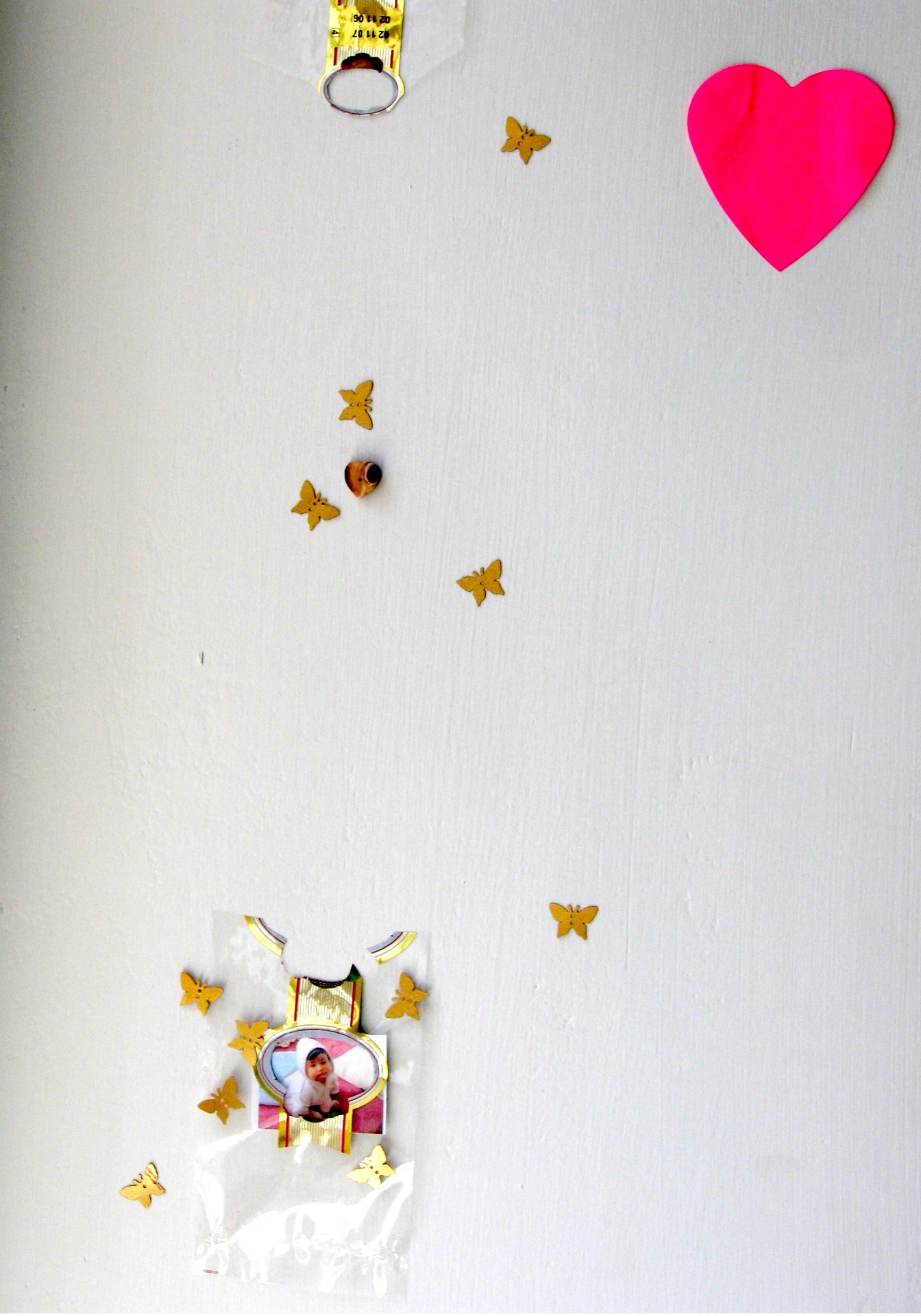
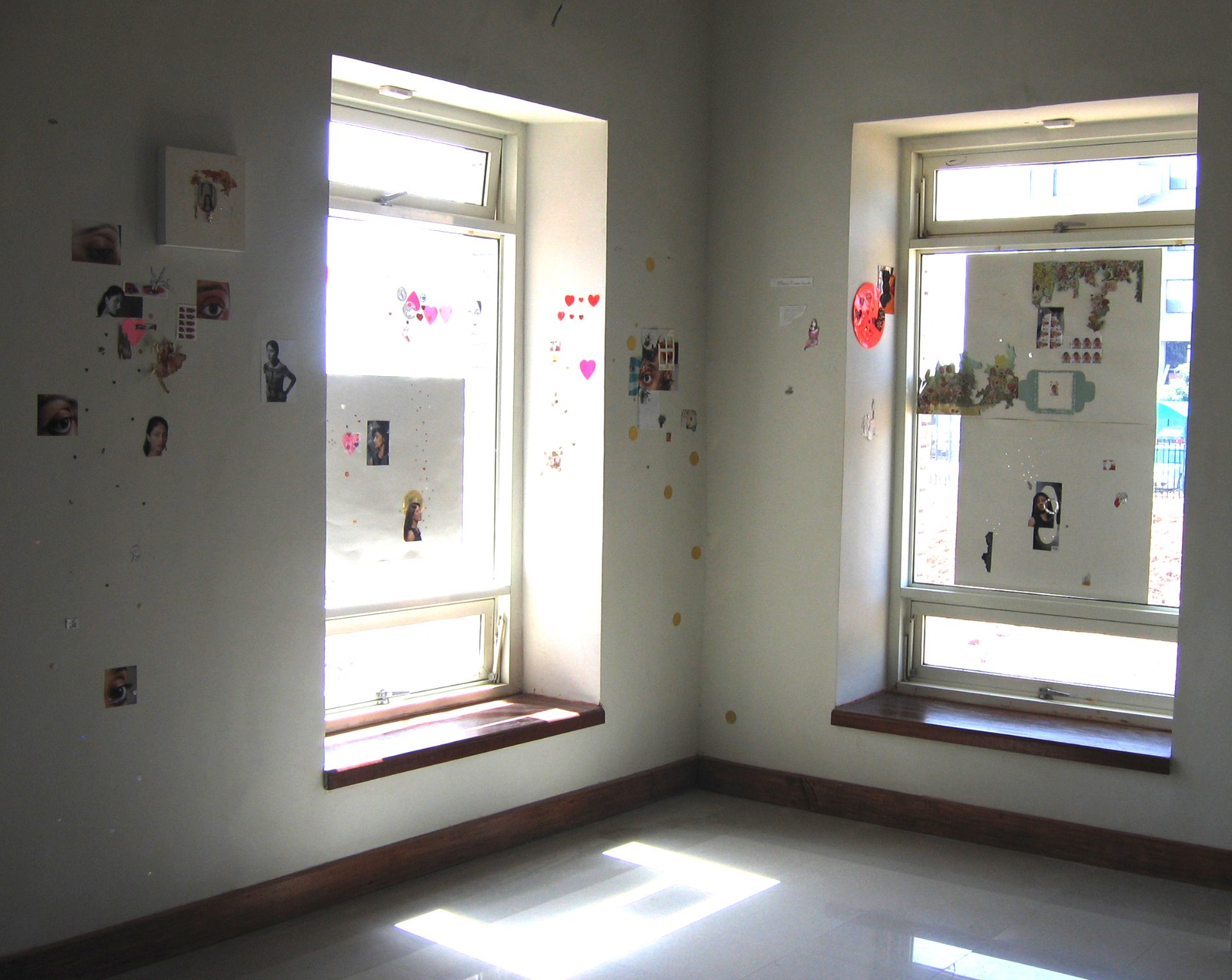
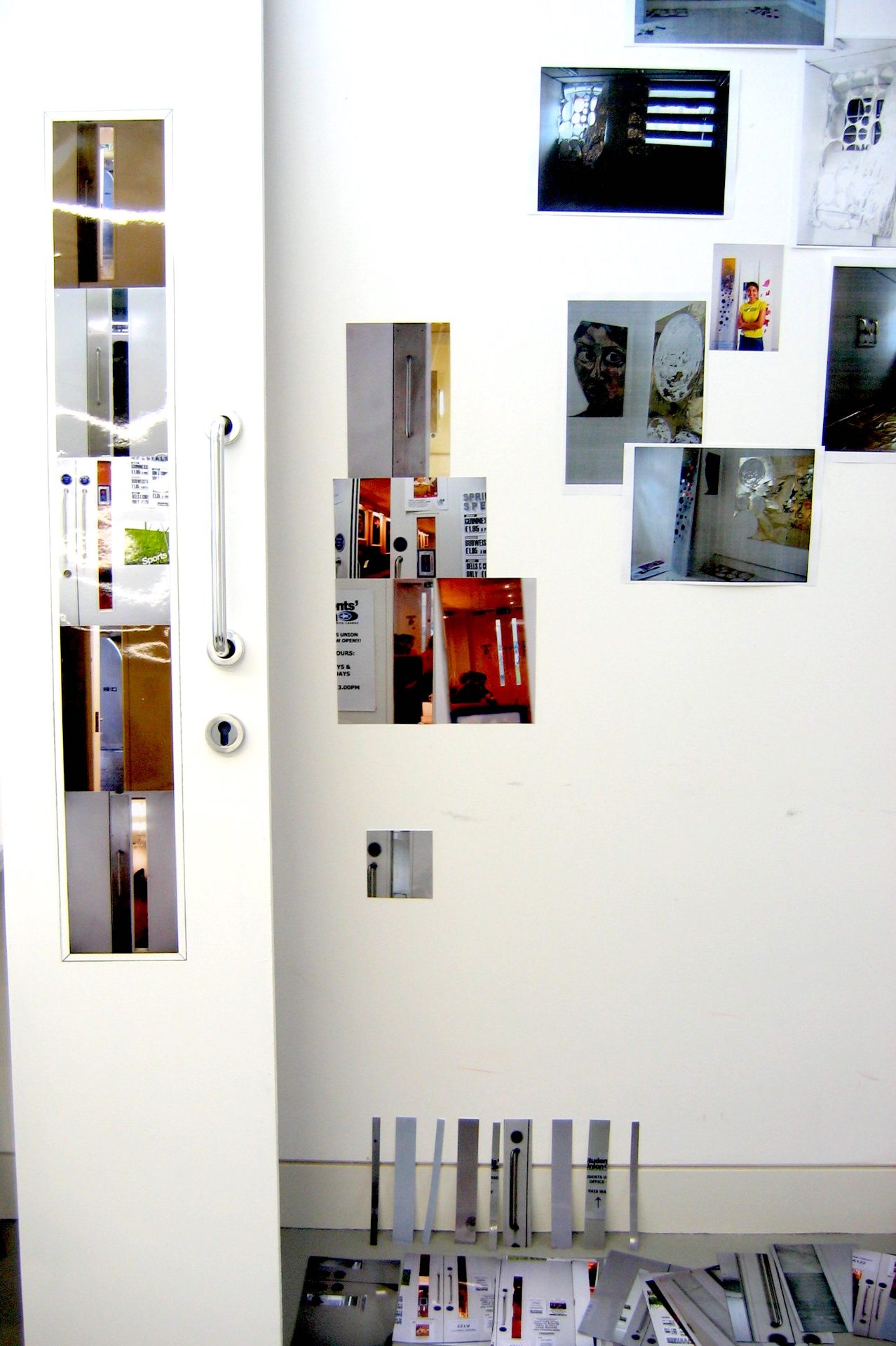
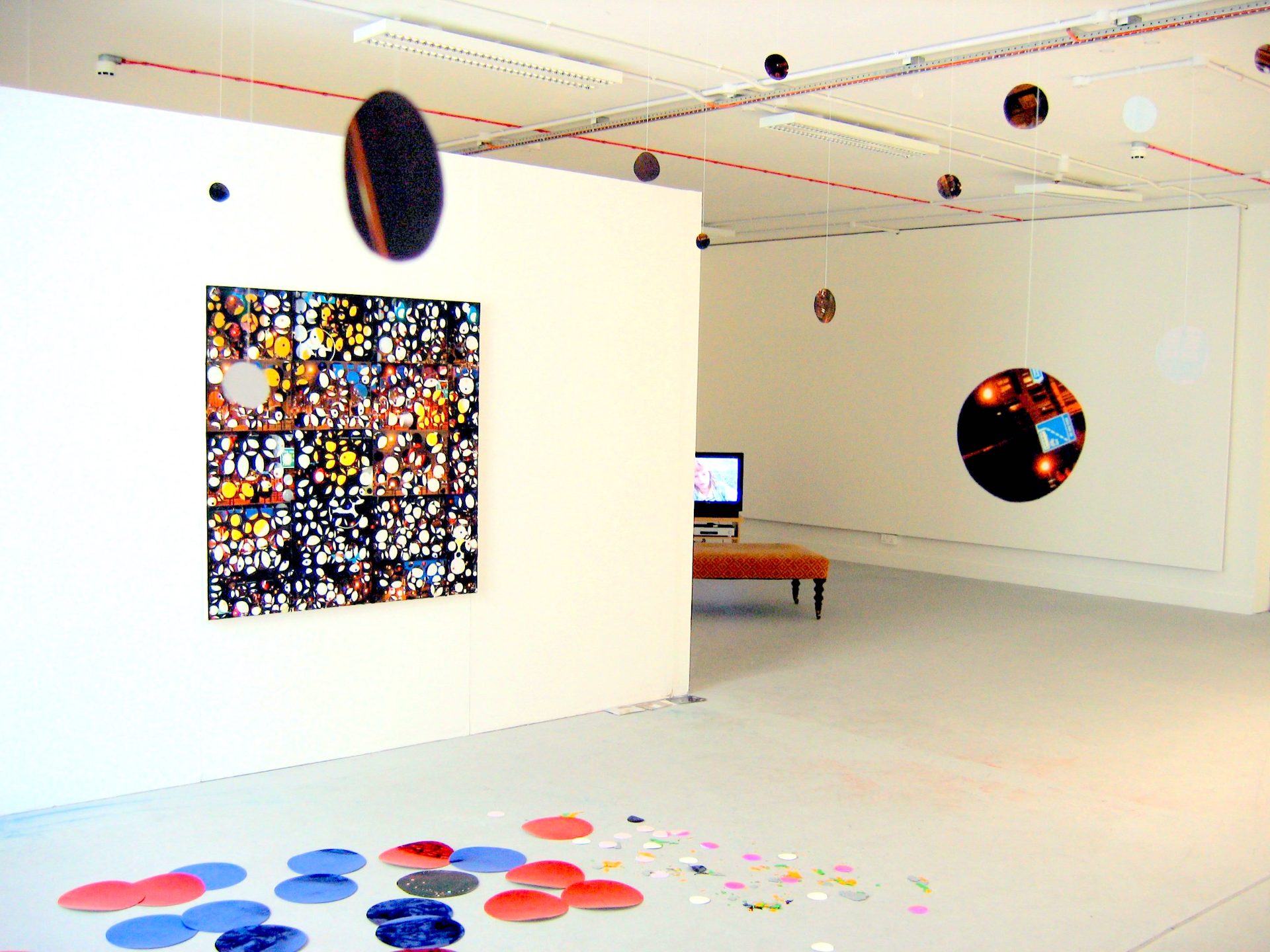
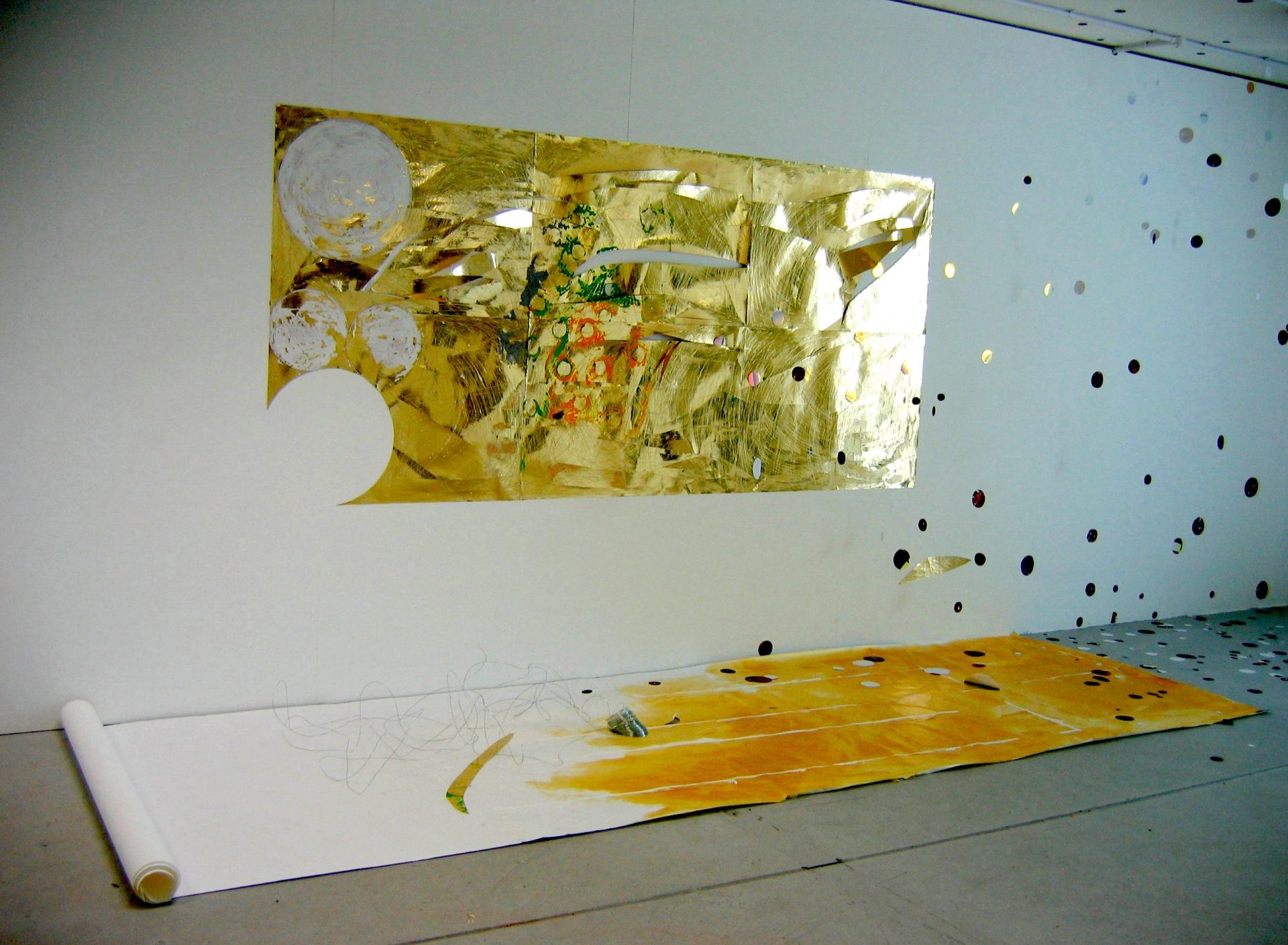
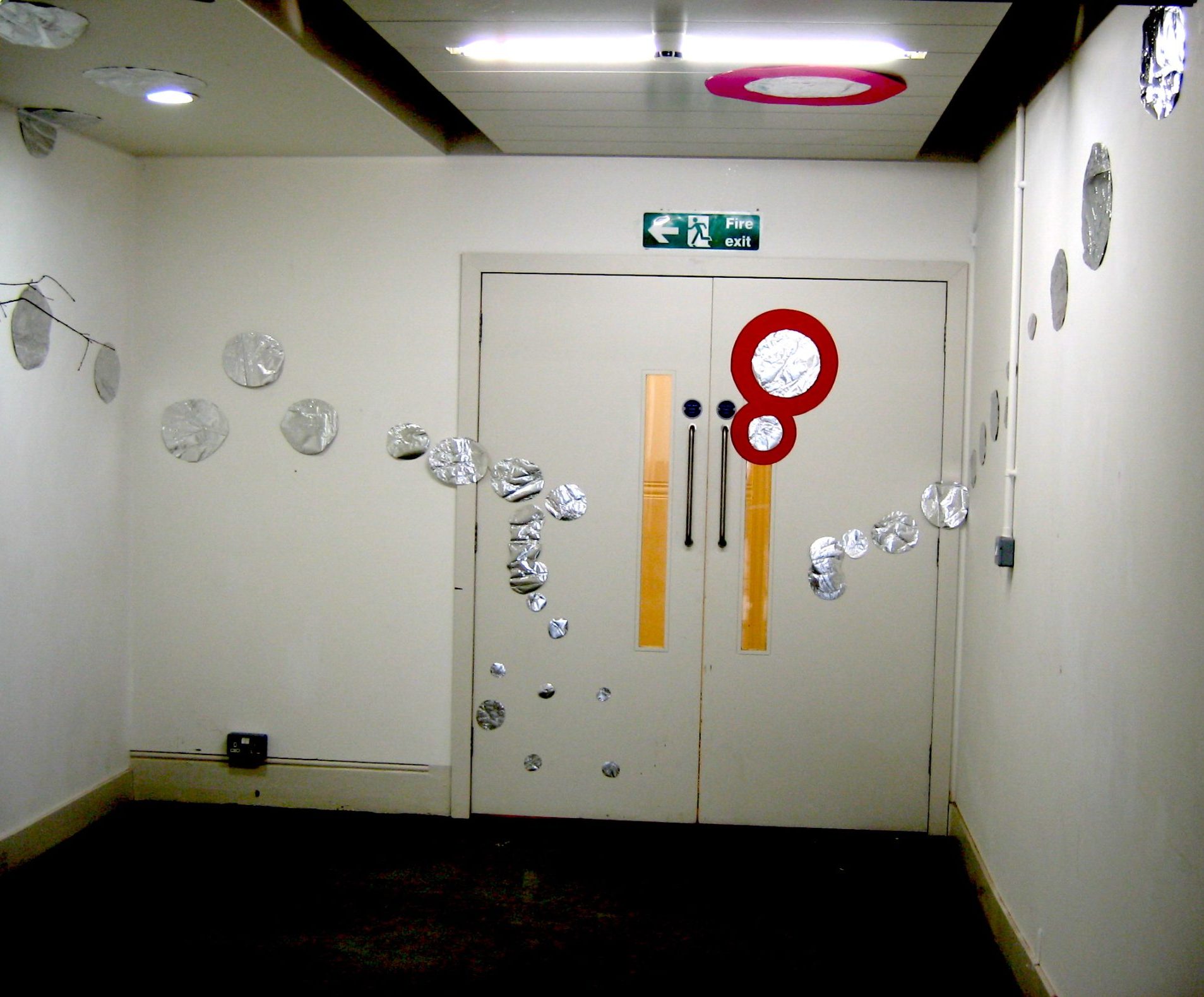
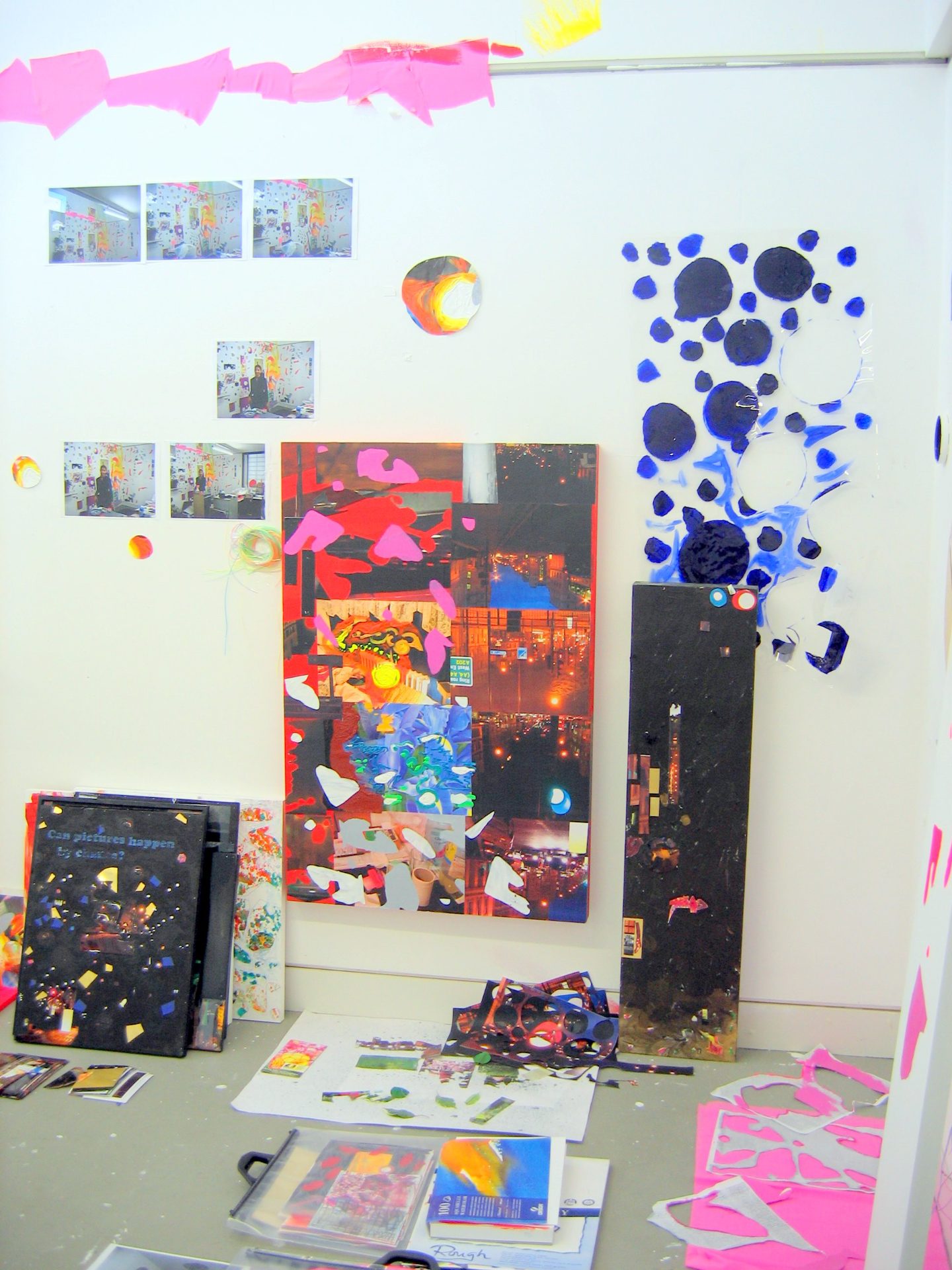
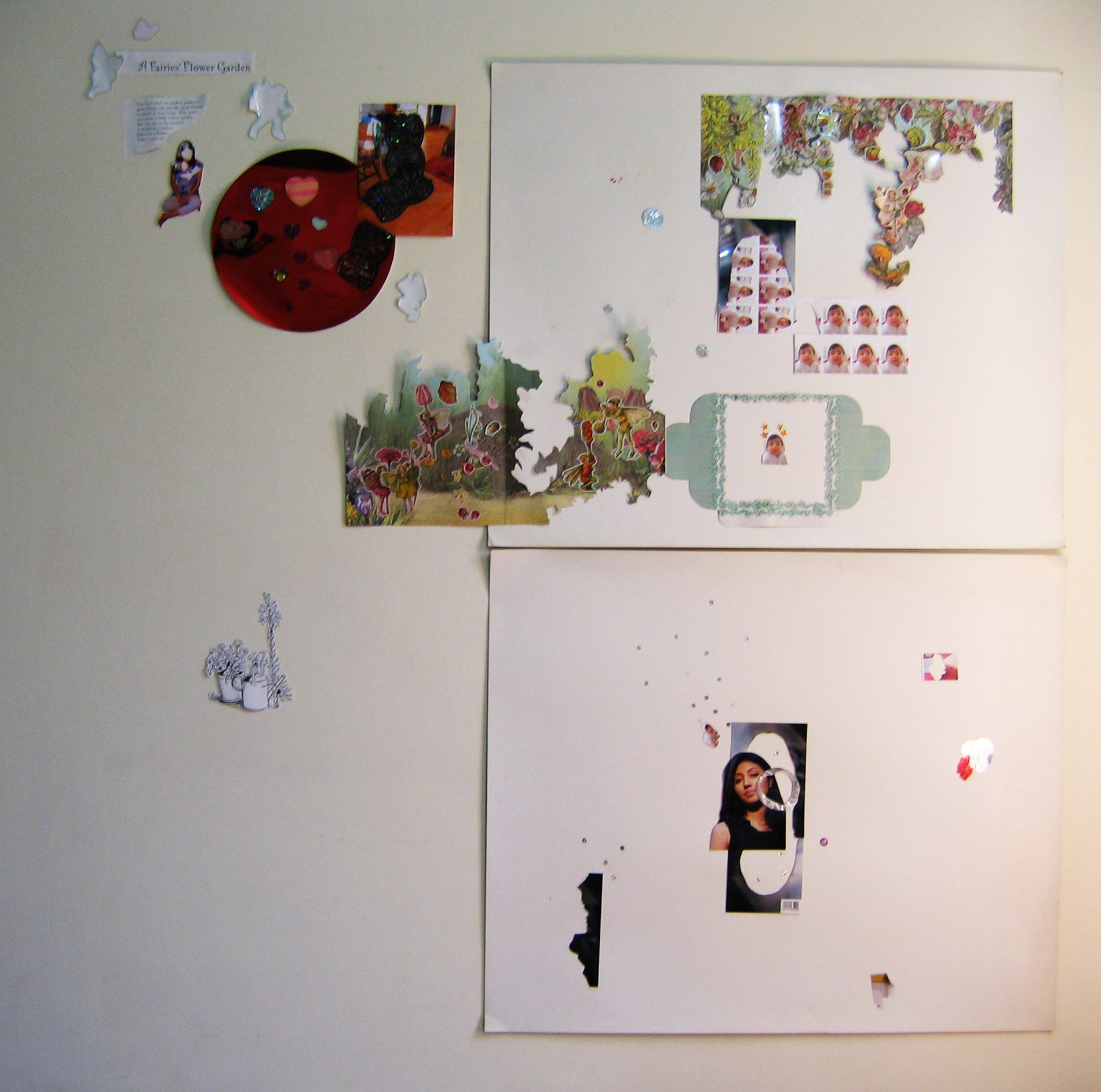
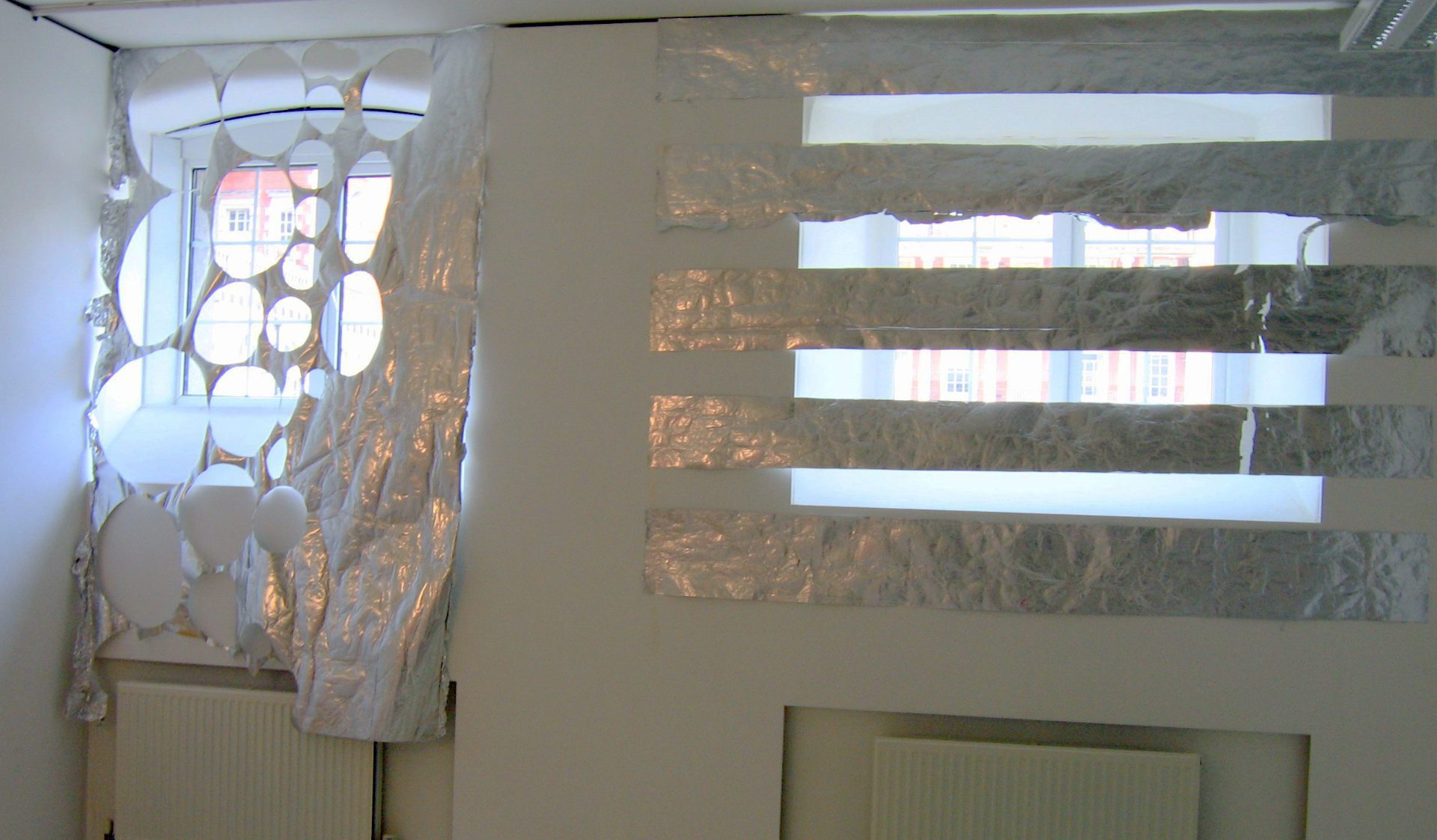
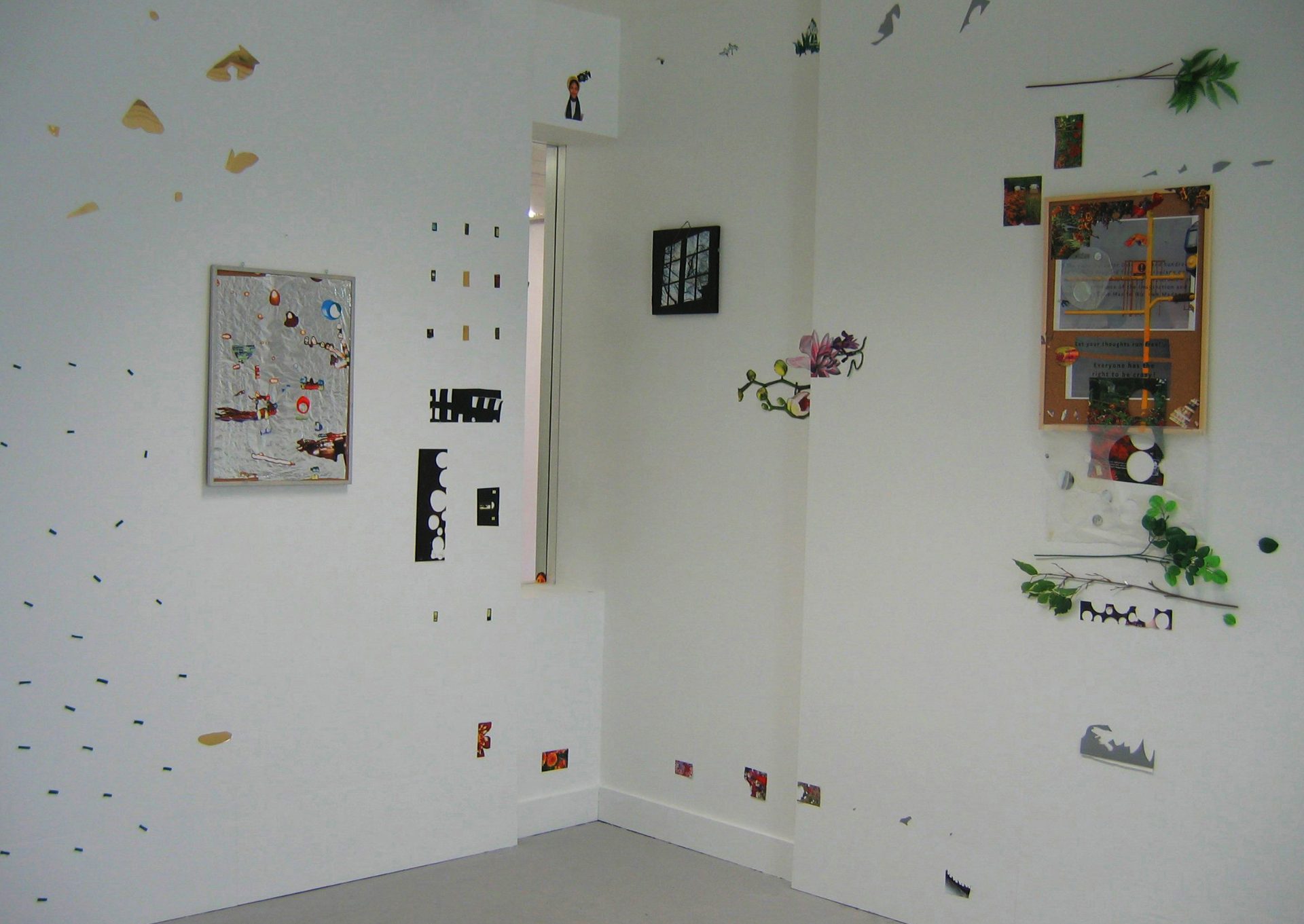
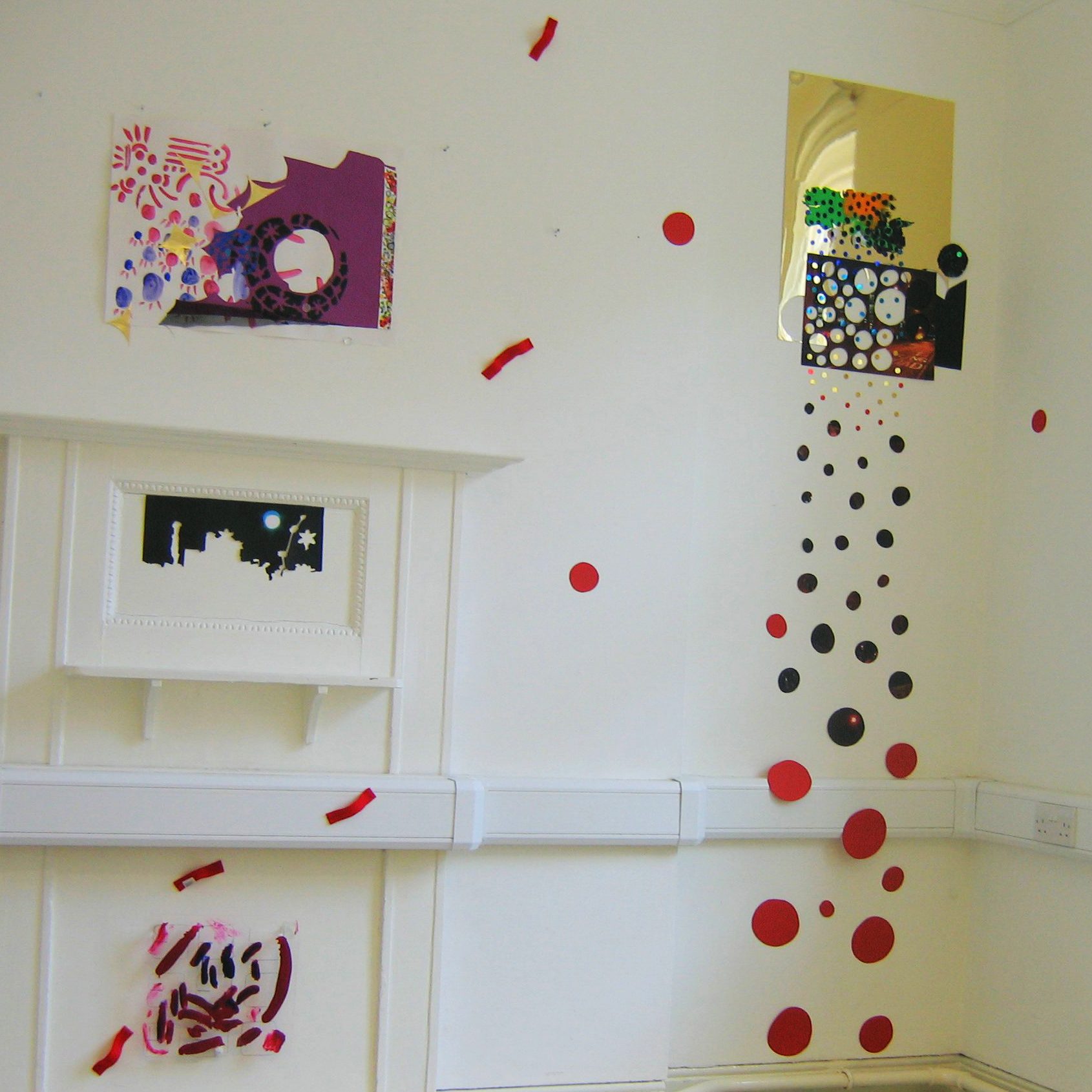
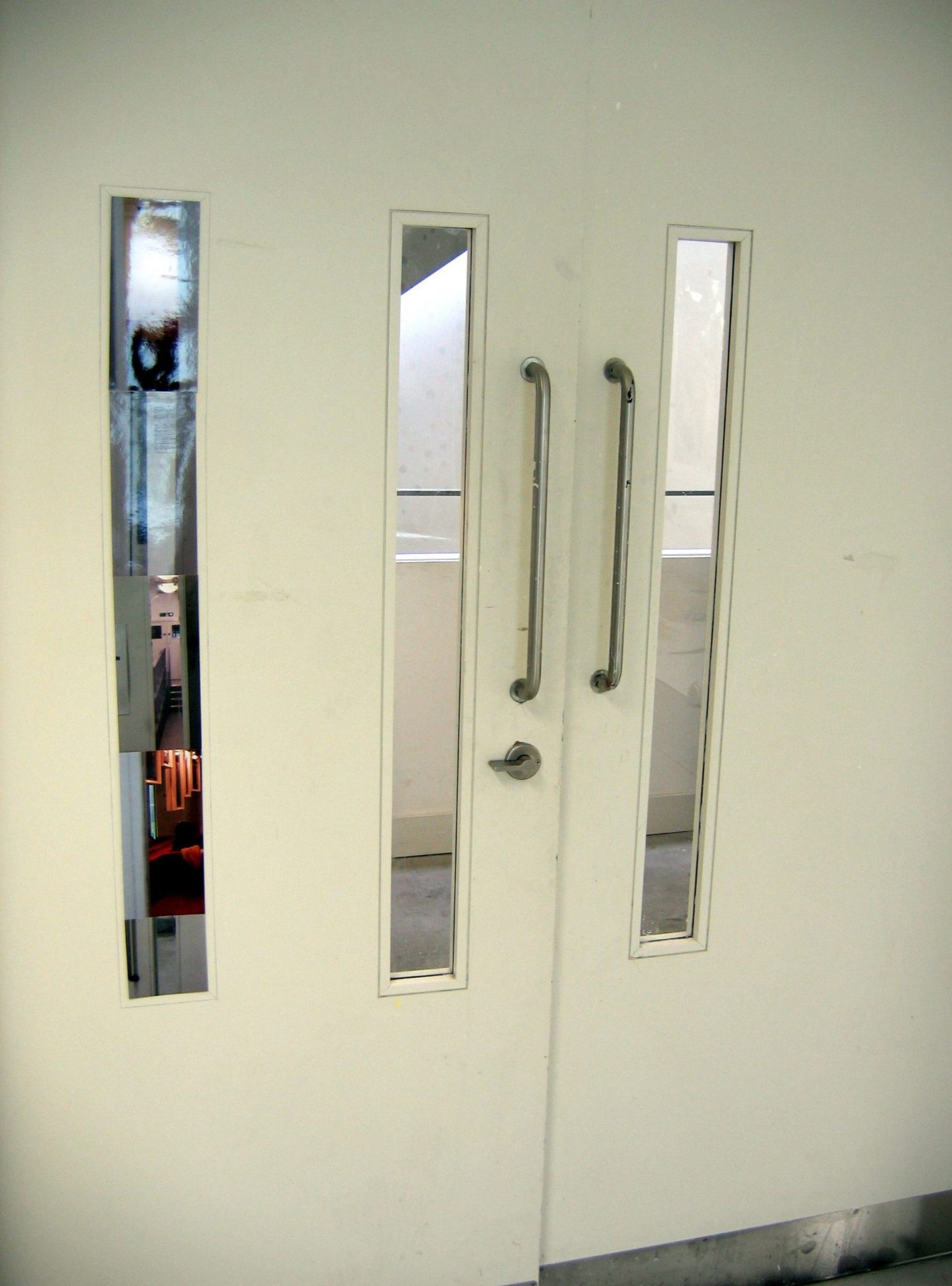
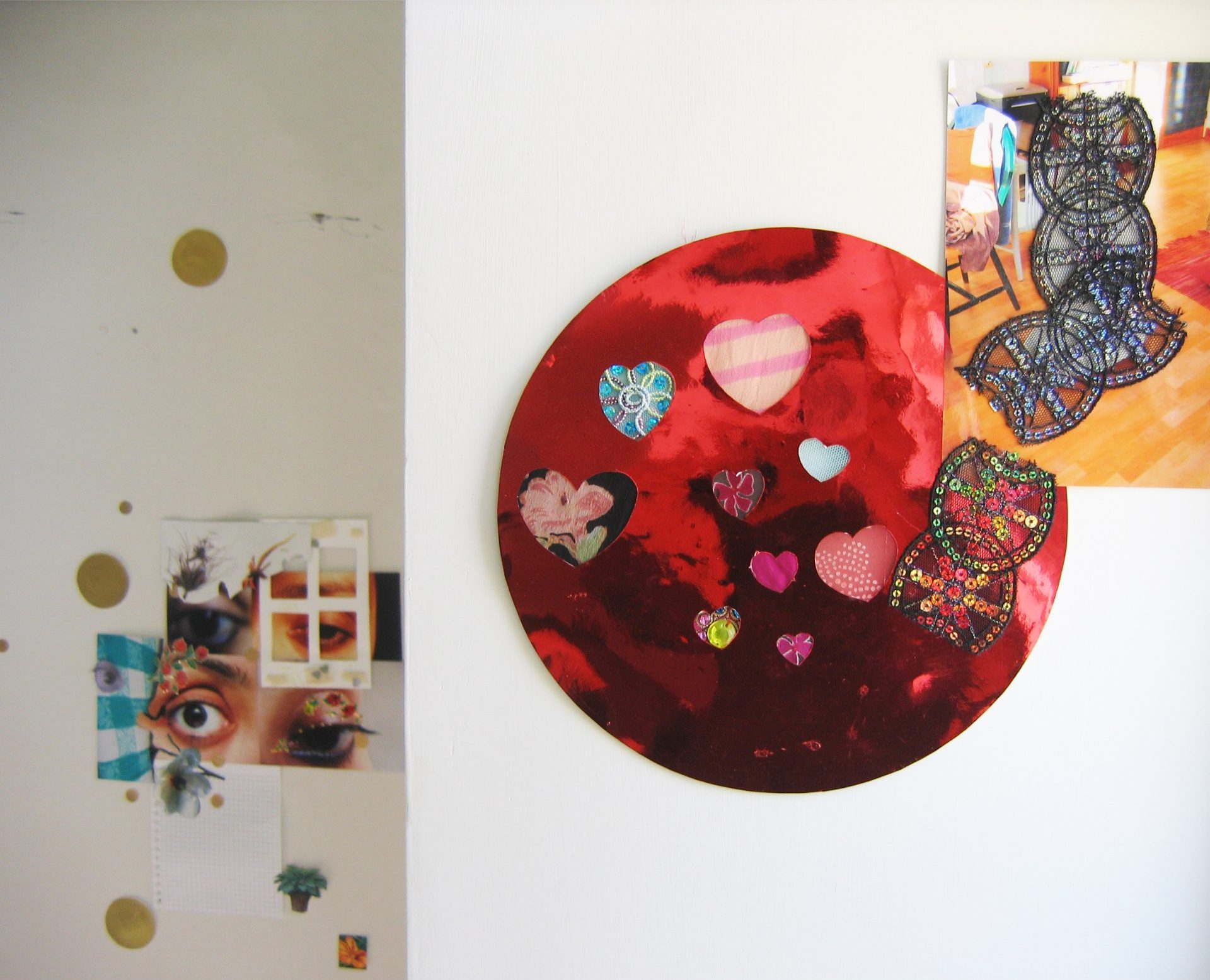
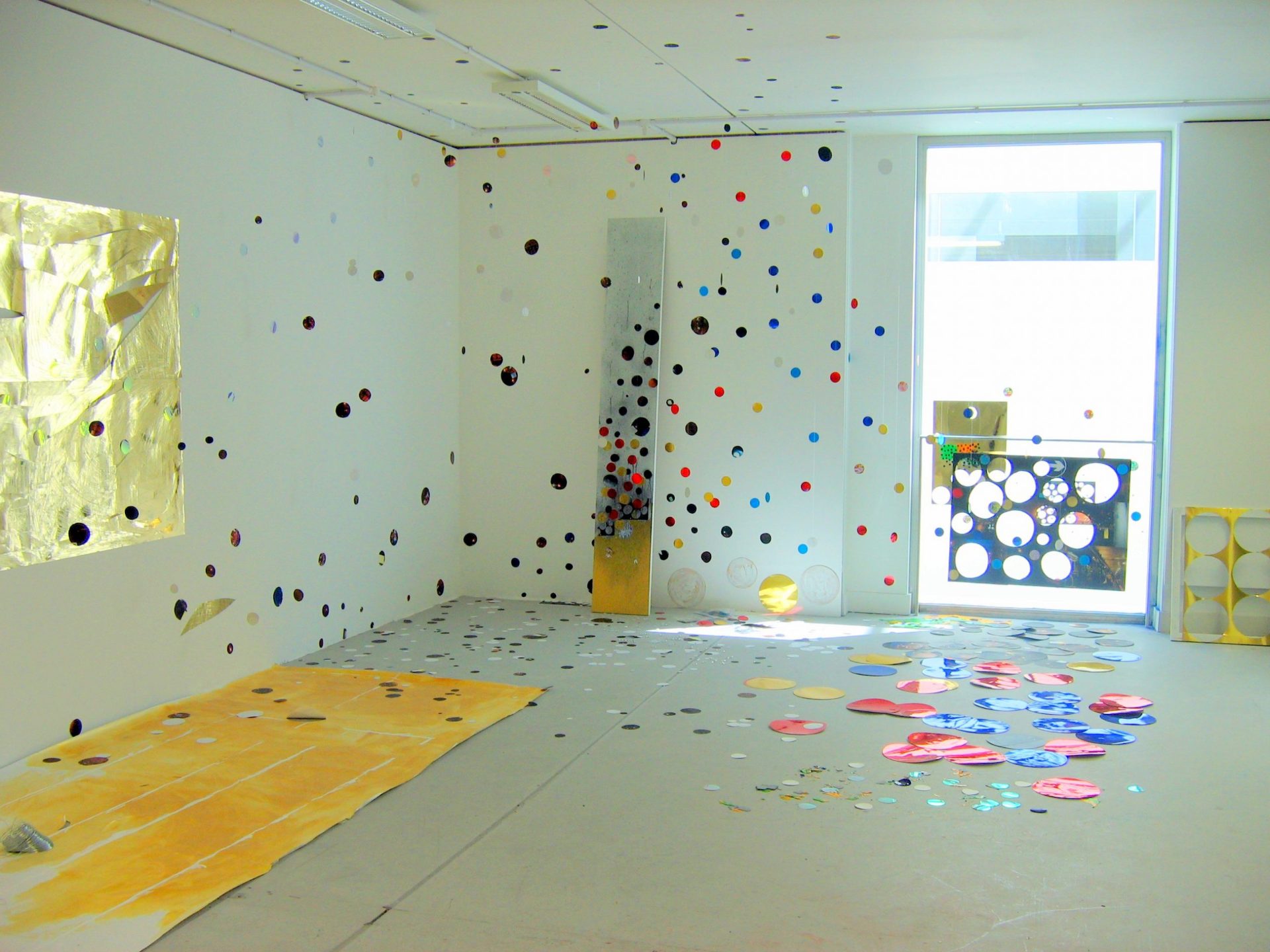
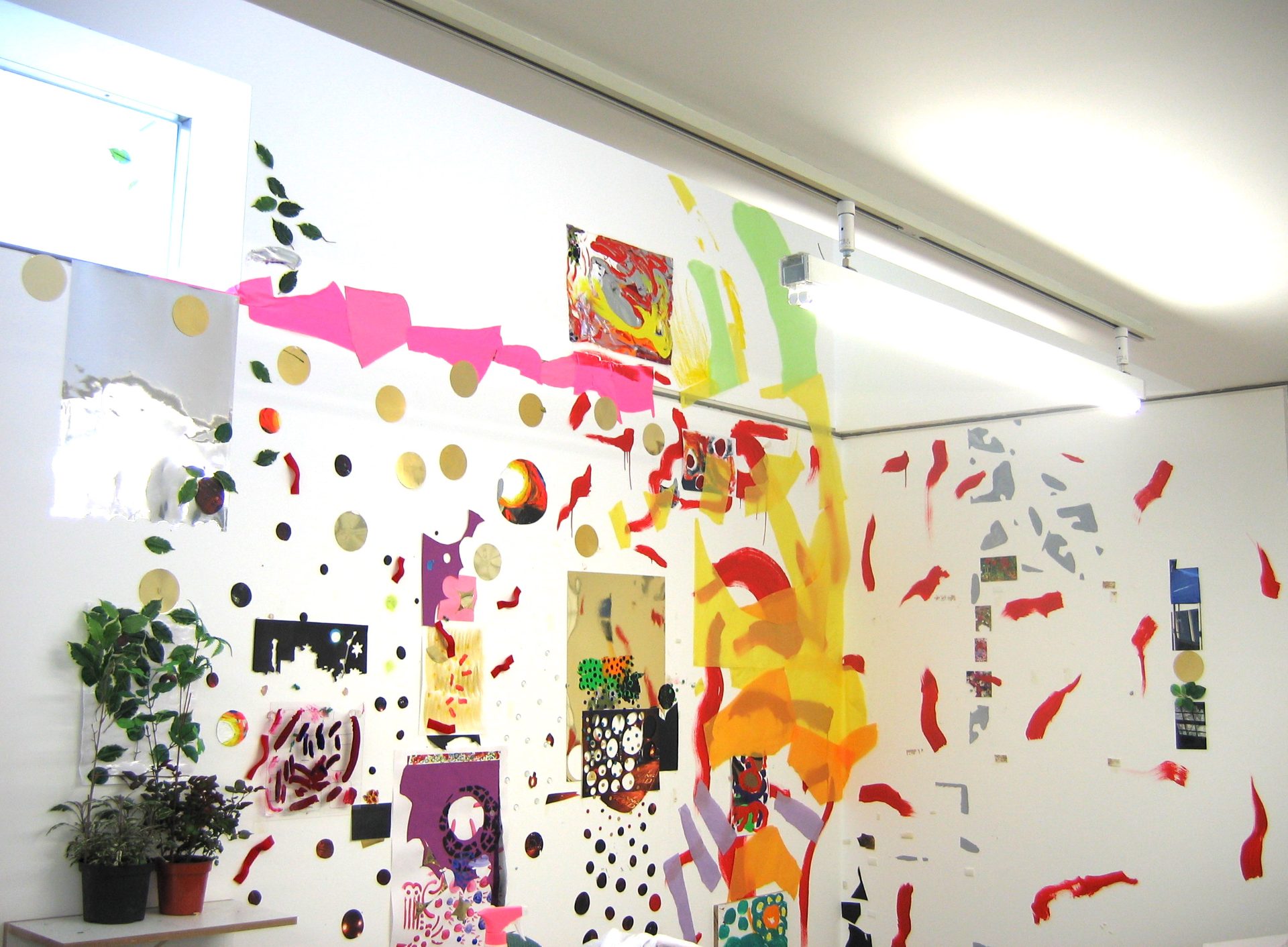
The installations that followed Sitareh continue to explore this same idea: transforming architectural interiors into immersive, site-specific environments. Viewers are invited to walk into, move through, and become part of the work, experiencing it not simply as something to look at, but as a space to inhabit—a sensory encounter that invites contemplation, wonder, and a renewed awareness of our relationship with infinity.